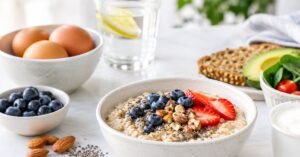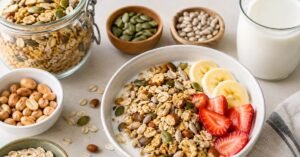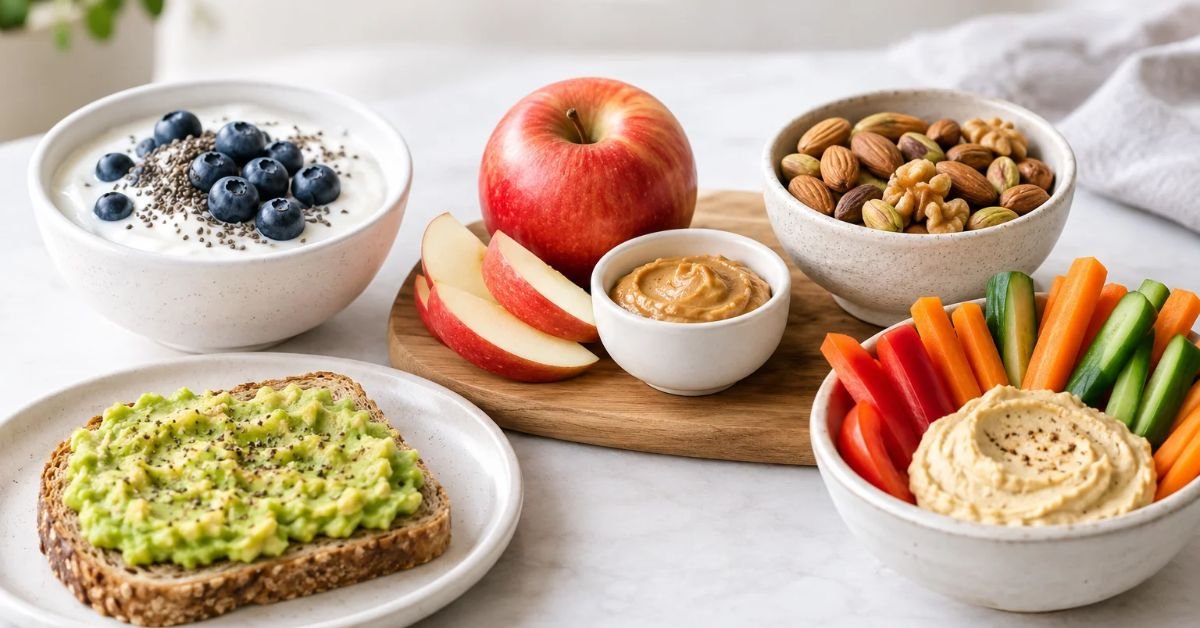

A little something to eat before bed can be helpful when you’re genuinely hungry, but the type of snack you choose matters, especially if you have diabetes or are trying to manage your blood sugar.
The best bedtime snacks tend to combine protein, fiber, and healthy fats, with a portion of carbohydrates that suits your needs. This combination can help you feel satisfied without relying on sugary foods that may raise your blood glucose quickly.
There is one thing worth knowing before you start adding snacks to your nighttime routine: eating before bed doesn’t automatically improve blood sugar. For some people, especially those who already have elevated glucose levels in the evening, an additional snack can push morning readings higher. The right choice depends on your health, medication, evening meal, and hunger.
If you enjoy an evening snack, these 11 options offer practical ways to satisfy your hunger while being mindful of blood sugar.
5 Ways Blood Sugar Can Affect Your Sleep
Blood sugar and sleep influence each other. Glucose levels that are too high or too low can cause symptoms that interrupt your rest, while poor sleep can make glucose management more difficult.
Here are five connections worth understanding.
1. Frequent Trips to the Bathroom
When blood glucose becomes very high, the kidneys try to remove excess glucose through urine. This can increase urination and leave you needing to use the bathroom several times during the night.
If this happens regularly, particularly alongside unusual thirst, don’t assume your bedtime snack is the solution. Persistent symptoms deserve medical evaluation.
2. Difficulty Staying Asleep
Blood sugar fluctuations can contribute to nighttime discomfort, particularly in people with diabetes who experience high or low glucose during sleep.
However, insomnia has many possible causes, including stress, caffeine, pain, and sleep disorders. Difficulty falling asleep alone doesn’t mean your blood sugar is abnormal.
3. Increased Thirst and Dehydration
High blood glucose can cause the body to lose more water through urine. You may notice a dry mouth, unusual thirst, or repeated trips to refill your water glass.
Drinking water can help with hydration, but it doesn’t treat the underlying cause of persistently high blood sugar.
4. Nighttime Discomfort and Sweating
Low blood sugar during sleep can trigger sweating, restlessness, and other symptoms. High blood sugar may also contribute to discomfort, especially when it causes thirst or frequent urination.
Night sweats can have many other causes, too. If they recur, are unexplained, or occur with other symptoms, speak with a healthcare professional rather than assuming you need a different snack.
5. Morning Headaches or Feeling Unrefreshed
Poor sleep, dehydration, and abnormal glucose levels can all contribute to feeling unwell in the morning. Some people with diabetes also experience overnight glucose changes that leave their morning readings outside their target range.
A morning headache or tiredness alone cannot tell you whether your blood sugar was high or low overnight. If you have diabetes, checking your glucose as recommended by your healthcare team can help identify patterns.
The Mayo Clinic’s guide to late-night eating and diabetes explains why nighttime snacks may be appropriate for some people but unnecessary or counterproductive for others.
MUST READ==> 5 Homemade Cereals Suitable for People With Diabetes
11 Bedtime Snacks That May Help Keep Your Blood Sugar Steadier Overnight
These snacks are easy to prepare with ingredients commonly available in US and UK grocery stores. Adjust portions to your hunger, individual carbohydrate needs, and any nutrition plan you’ve been given.
1. Vegetables and Hummus
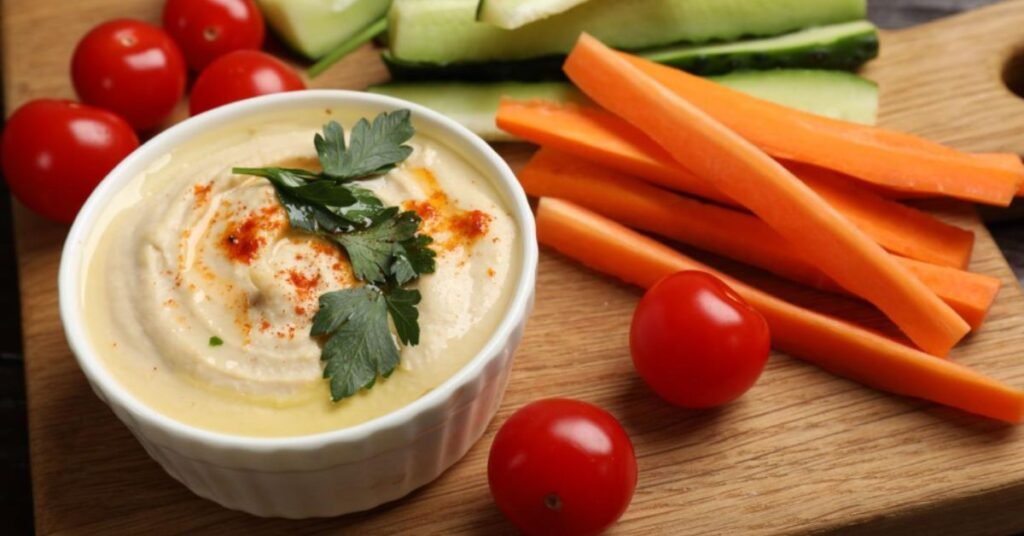
Crunchy vegetables with hummus make a satisfying option when you want something savory rather than sweet.
Carrots, cucumber, bell peppers, and celery provide fiber and other nutrients. Hummus, made from chickpeas and often tahini, adds plant protein and unsaturated fat.
How to make it: Slice a small serving of your favorite vegetables and pair them with two to three tablespoons of hummus.
Choose hummus without excessive added salt if you’re also managing your blood pressure. Although this snack contains carbohydrates, the combination of vegetables, chickpeas, and fat makes it a more balanced choice than eating refined crackers alone.
2. Apple Slices with Nut Butter
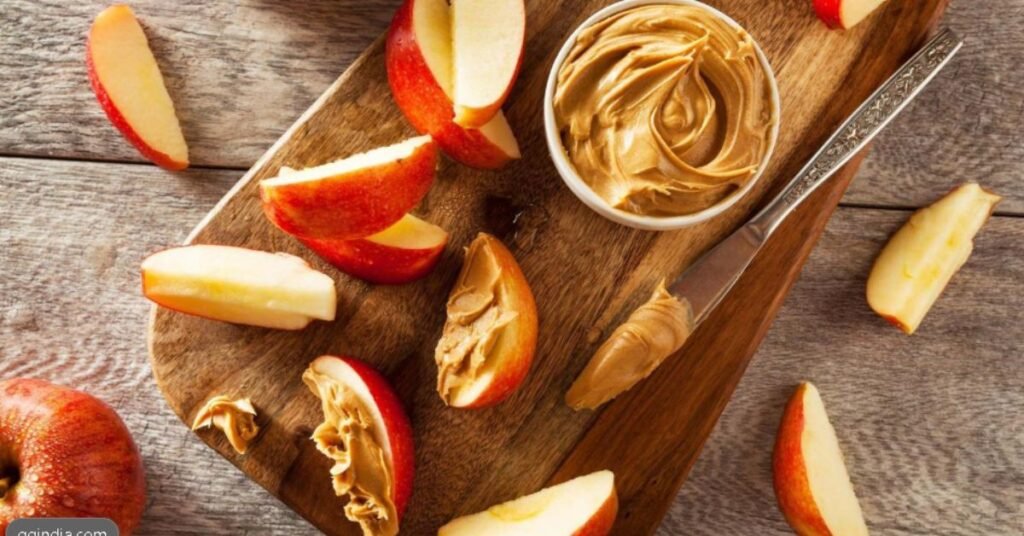
Apples provide fiber and carbohydrates, while peanut or almond butter contributes protein and unsaturated fats. Together, they make a convenient snack that can satisfy a sweet craving.
You don’t need to avoid fruit simply because you’re watching your blood sugar. Whole fruit contains water and fiber, and its effect on glucose differs from that of fruit juice.
How to make it: Slice half or one small apple and serve it with one tablespoon of unsweetened peanut or almond butter.
Check the nut butter label for added sugar and choose a product that fits your dietary needs. Nut butter portions can add up quickly, so start with a measured spoonful rather than pouring it directly onto the apple.
3. Whole-Grain Toast with Avocado
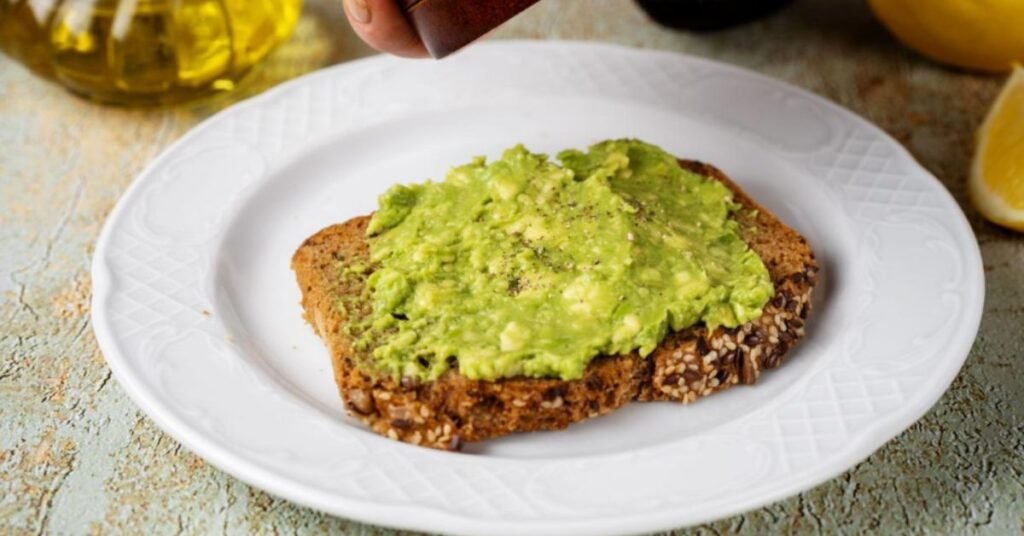
If you prefer a savory snack, whole-grain toast topped with avocado is a straightforward option.
Whole-grain bread supplies carbohydrates and fiber, while avocado adds fiber and unsaturated fat. The combination can be more satisfying than plain white toast, although the amount of bread you eat still affects your carbohydrate intake.
How to make it: Toast one small slice of whole-grain bread and spread it with a thin layer of mashed avocado. Add black pepper, lemon juice, or a little chili if you enjoy the flavor.
If you need more protein, add a boiled egg on the side.
Look for bread labeled whole grain or whole wheat and compare its fiber and total carbohydrate content. A dark color alone doesn’t guarantee that bread is made primarily from whole grains.
4. Plain Greek Yogurt with Blueberries
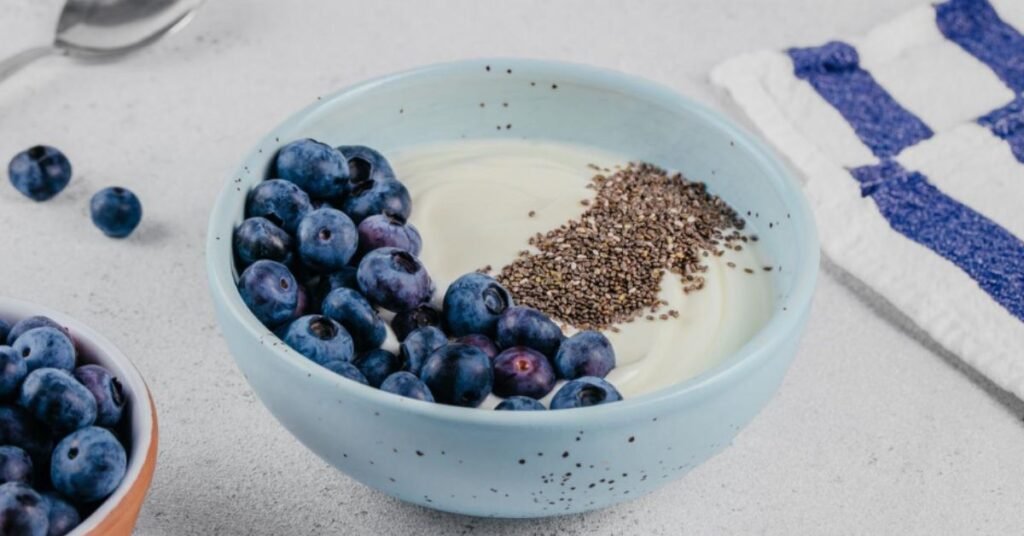
Plain Greek yogurt is a useful option when you want something creamy and slightly sweet. It generally contains more protein than conventional yogurt, although the exact amount depends on the brand and product.
Blueberries contribute fiber and naturally occurring sugars. Adding them to yogurt gives you fruit alongside a protein-rich food.
How to make it: Combine about half a cup of plain Greek yogurt with a small handful of blueberries. Add a teaspoon of chia seeds if you’d like extra fiber.
Choose unsweetened yogurt when possible. Flavored varieties can contain considerably more added sugar, and their carbohydrate content may differ.
This snack works particularly well for someone who wants a dessert-like option without relying on ice cream, cookies, or heavily sweetened yogurt.
5. A Small Handful of Nuts
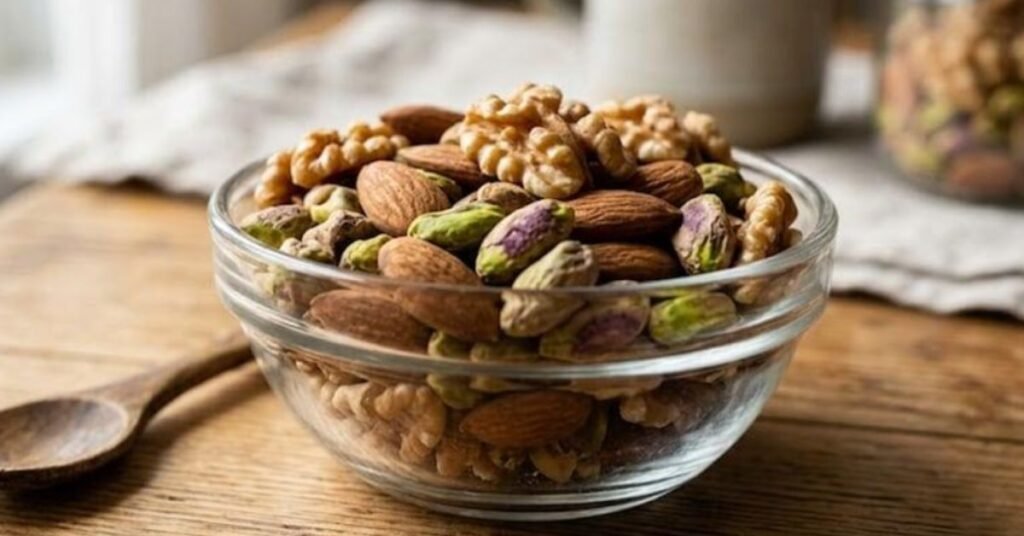
Almonds, walnuts, pistachios, and peanuts provide unsaturated fats, some protein, and fiber. They also contain relatively little carbohydrate compared with many snack foods.
Nuts are convenient because they require no preparation, refrigeration, or cooking. A small serving may be enough when you want something to nibble on after dinner.
How to make it: Measure approximately one ounce of nuts, or roughly a small handful, depending on the variety.
Choose unsalted nuts if you need to limit sodium, and avoid heavily sweetened varieties when managing added sugar.
Nuts are energy-dense, so eating them straight from a large bag can make it easy to consume more than you intended. You don’t need to avoid them; simply serve a portion that suits your appetite.
6. Cheese with Whole-Grain Crackers
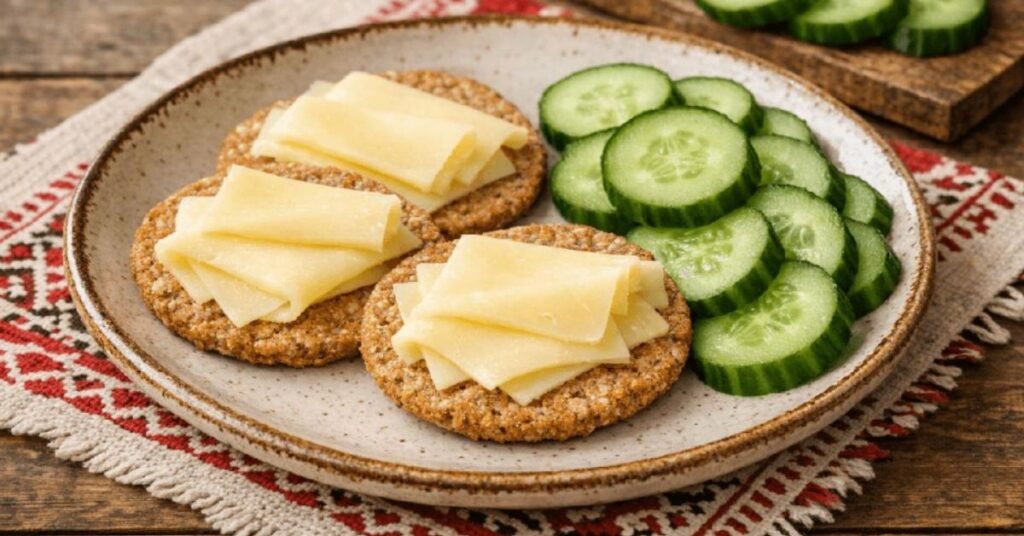
Cheese provides protein and fat, while whole-grain crackers contribute carbohydrates and potentially fiber. This pairing can be useful when you want a small savory snack that takes less than a minute to assemble.
Cheese generally has little carbohydrate, but crackers can contain varying amounts depending on their ingredients and serving size.
How to make it: Pair a small portion of cheddar, mozzarella, or another cheese you enjoy with a few whole-grain crackers.
Check the nutrition label for fiber, total carbohydrates, and sodium. Some crackers marketed as multigrain are still made mainly from refined flour.
If you have been advised to limit sodium or saturated fat, choose a suitable cheese and cracker combination rather than assuming every type is equally appropriate.
7. Cottage Cheese with Apricots
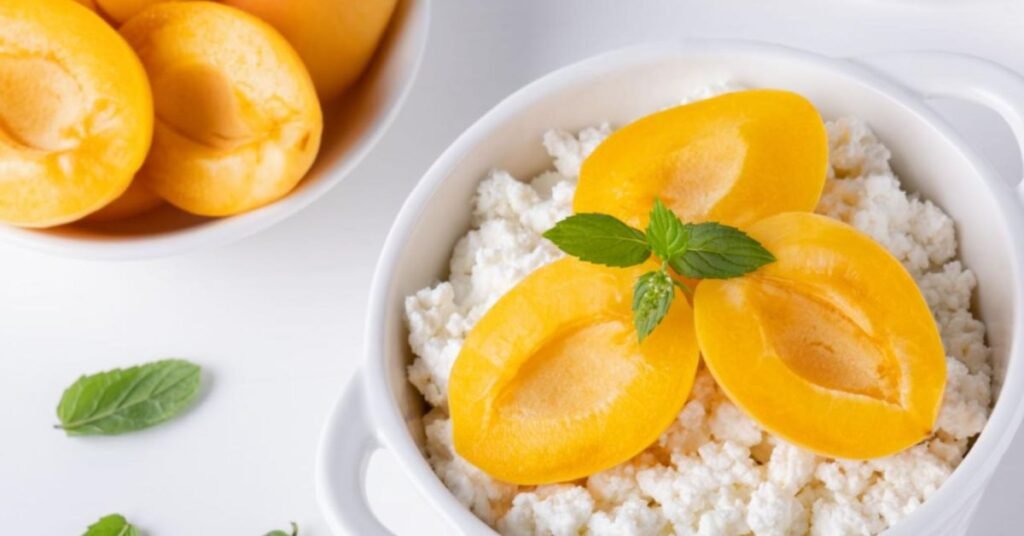
Cottage cheese is rich in protein relative to its carbohydrate content, making it a practical choice when hunger strikes in the evening.
Apricots add fruit, flavor, and fiber. The combination offers a different texture from yogurt and can be prepared in seconds.
How to make it: Serve approximately half a cup of cottage cheese with one or two fresh apricots, depending on their size.
Fresh and dried apricots are not interchangeable in portion size. Dried fruit is more concentrated because much of its water has been removed, so a small amount can contain a substantial quantity of carbohydrates.
Cottage cheese can also be high in sodium, depending on the brand. Compare labels if this is a concern for you.
8. A Hard-Boiled Egg
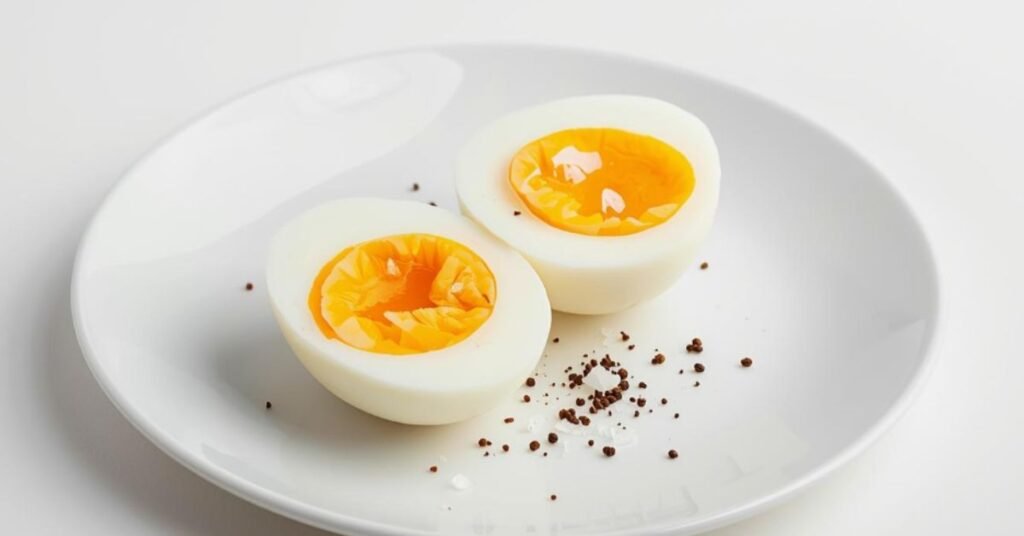
A boiled egg is one of the simplest protein-rich snacks you can prepare in advance.
Eggs contain protein, fat, and several vitamins and minerals, while providing very little carbohydrate. That makes them a useful alternative to a sweet snack when you want something savory.
How to make it: Boil an egg, let it cool, and refrigerate it until you’re ready to eat. Add black pepper or paprika for flavor.
If one egg doesn’t satisfy your hunger, you could pair it with a small portion of whole-grain toast or raw vegetables.
Eggs do not automatically prevent overnight blood sugar changes, and there is no guarantee that eating one will improve sleep. Their main advantage here is that they provide protein without a large carbohydrate load.
9. Roasted Chickpeas

Roasted chickpeas offer a crunchy alternative to crisps or other highly processed snacks.
They provide plant protein, fiber, and carbohydrates. Unlike snacks made mostly from refined starch, chickpeas also supply nutrients and can be more filling.
How to make them: Drain and rinse canned chickpeas, pat them dry, toss them with a little olive oil and your preferred seasonings, then roast until crisp. You can also buy ready-made roasted chickpeas.
Remember that chickpeas are still a carbohydrate-containing food. Their fiber and protein may help moderate the pace of digestion, but they don’t make the carbohydrate content irrelevant.
Start with a modest portion and check packaged versions for added sugar, sodium, and serving size.
10. Cherry Tomatoes and Mozzarella
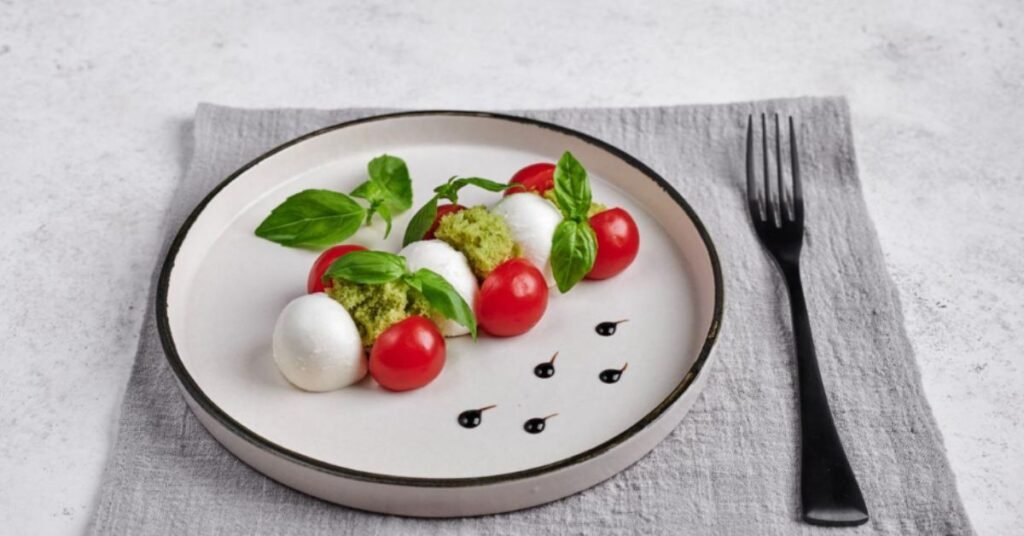
Cherry tomatoes and mozzarella make a refreshing snack when you don’t want bread, crackers, or a sweet treat.
Tomatoes provide fiber and naturally occurring carbohydrates, while mozzarella supplies protein and fat. You also get nutrients such as vitamin C from the tomatoes and calcium from the cheese.
How to make it: Slice a few cherry tomatoes and serve them with several small mozzarella pieces. Add basil, black pepper, or a little balsamic vinegar if you like.
If you use balsamic glaze, check its label because some varieties contain added sugar.
This combination can also work as a small appetizer earlier in the evening. There’s no special blood sugar benefit to eating it immediately before bed; the advantage is simply that it provides a balanced alternative to many sugary snacks.
11. Chia Seed Pudding
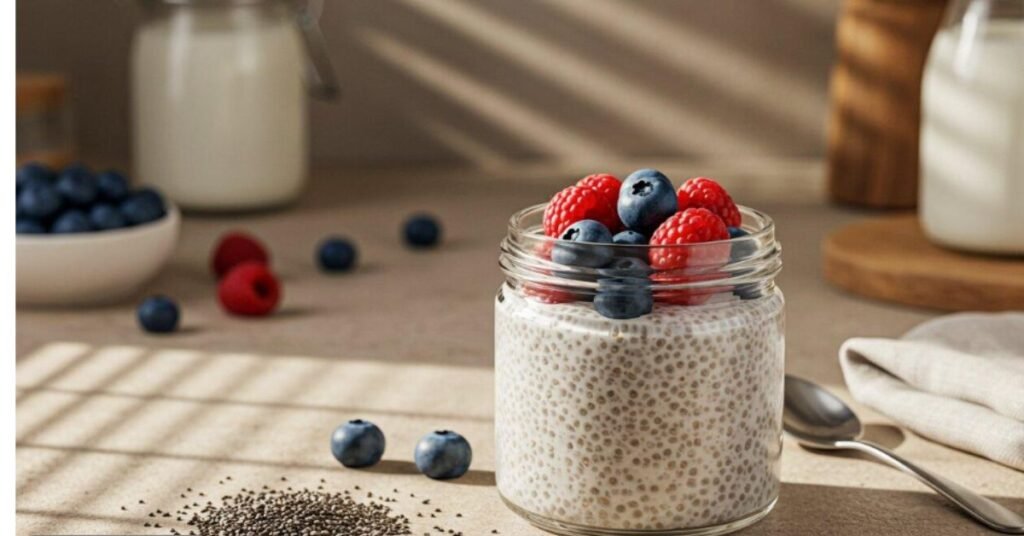
Chia seed pudding is a convenient make-ahead snack for anyone who prefers something soft and creamy.
Chia seeds contain fiber, plant-based omega-3 fatty acids, and some protein. When soaked in milk or an unsweetened fortified plant milk, they absorb liquid and develop a thick, pudding-like texture.
How to make it:
– Combine one to two tablespoons of chia seeds with about half a cup of milk or unsweetened fortified plant milk.
– Stir well and refrigerate for at least a few hours, preferably overnight.
– Add a small portion of berries before serving.
You can use cinnamon or a little vanilla extract for flavor. If you add honey, maple syrup, sweetened milk, or sweetened toppings, account for the additional carbohydrates.
Chia pudding is not carbohydrate-free, and the nutrition will depend on the liquid and toppings you use. If you’re new to eating chia seeds, begin with a modest serving and drink enough fluid throughout the day.
How to Choose the Right Bedtime Snack for Blood Sugar
Not everyone needs a bedtime snack. If you’ve eaten a satisfying dinner and aren’t hungry, there’s no reason to eat simply because a particular food is supposed to stabilize glucose overnight.
If you do need something to eat, these practical guidelines can help.
– Combine foods thoughtfully. Pairing carbohydrates with protein, fiber, or unsaturated fats can make a snack more satisfying and influence how quickly glucose enters the bloodstream.
– Pay attention to total carbohydrates. Added sugar matters, but so does the total carbohydrate content of bread, crackers, fruit, milk, and other foods.
- Choose a portion that satisfies your hunger. You don’t need a large snack immediately before bed. A smaller serving may be enough.
- Consider your evening meal. A snack after a large dinner may add unnecessary energy and carbohydrates, while someone who ate an early or small dinner may genuinely need more food.
- Notice your own glucose patterns. If you monitor blood sugar, look for consistent patterns rather than judging a snack by a single reading.
The Cleveland Clinic’s guide to snacks for type 2 diabetes provides additional examples of snacks that combine protein, fiber, and healthy fats.
ALSO READ==> 10 Must-Have Diabetic Breakfast Basics for Healthy Mornings
Should You Eat Before Bed if You Have Diabetes?
It depends on your circumstances.
For some people, an evening snack is useful because they’re hungry or because their diabetes treatment plan specifically calls for food to reduce the risk of overnight hypoglycemia. For others, eating late can contribute to higher morning glucose readings.
If you regularly wake up with high blood sugar, don’t automatically assume you need to eat less or add a protein snack. Several factors can contribute, including the timing of medication, the size of your evening meal, and the early-morning hormonal changes associated with the dawn phenomenon.
The American Diabetes Association’s guidance on high morning blood glucose explains why checking patterns over time can help identify the likely cause.
If you use insulin or medication that can cause low blood sugar, follow your prescribed plan for preventing and treating overnight lows. A routine bedtime snack isn’t a substitute for adjusting treatment with your healthcare professional when necessary.
If you repeatedly experience nighttime symptoms or unexplained changes in glucose readings, discuss them with your diabetes care team.